All Posts
scroll to see more>

I. The Root ה ָָר י (yārâ) — Lexical Architecture
Strong’s H3384. TWOT 910. BDB yārâ. A primitive root occurring eighty-one to eighty-four times
across twenty-one books.

in the va lue of colour , an interdisciplinary
group of scholars come together to examine economically
relevant questions concerning a narrow slice of social
and cognitive history: namely, colours.
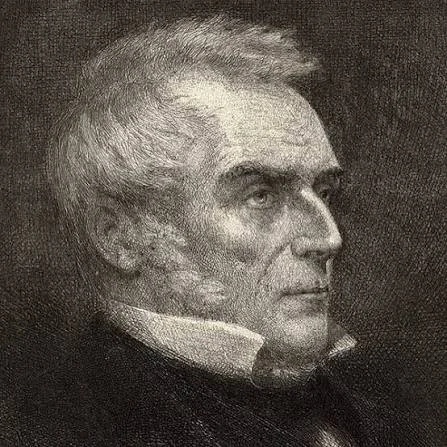
John Nelson Darby’s theological system rests upon three interlocking pillars that cannot withstand rigorous scrutiny of the original Hebrew and Greek texts
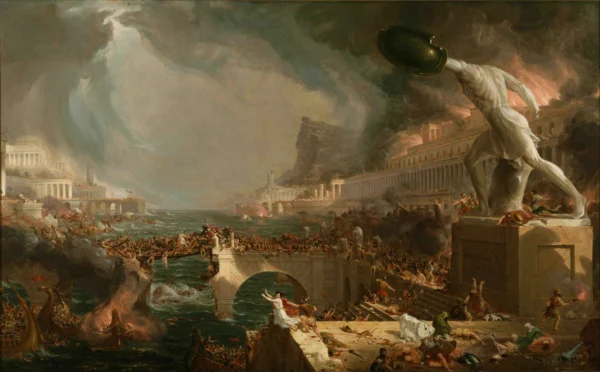
The lexical and conceptual career of chaos across the early medieval continuum—from its Hesiodic inauguration through Latin patristic mediation into the vernaculars of Old English and Old Norse—reveals not progressive dissolution into formlessness but a persistent re-inscription of structured aperture, directed passage, and sovereign instrumentality.
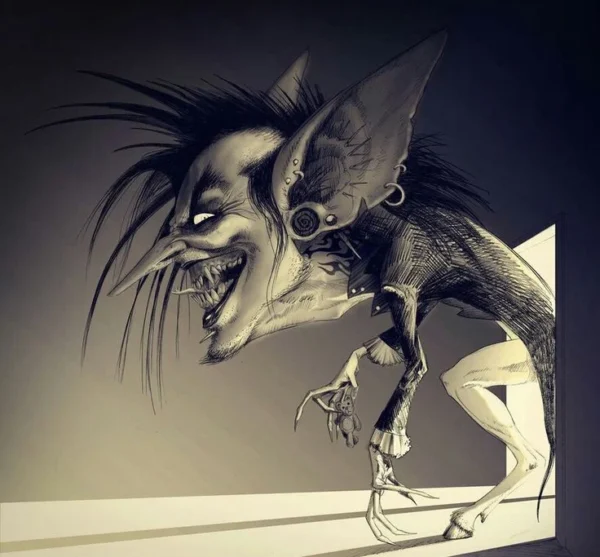
I. The Question of Autonomy The grammatical shift from an abstract quality to a concrete actor is a major reason why many readers and historical traditions have viewed the Tempter or the Devil as a literal person.
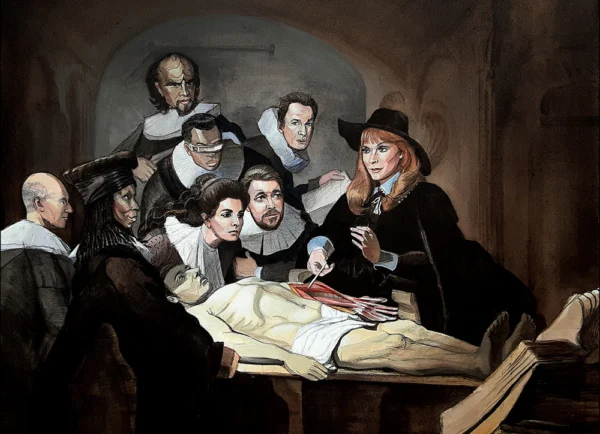
The grammatical shift from an abstract quality to a concrete actor is a major reason why many people—and historical traditions—view the Tempter or the Devil as a literal person.
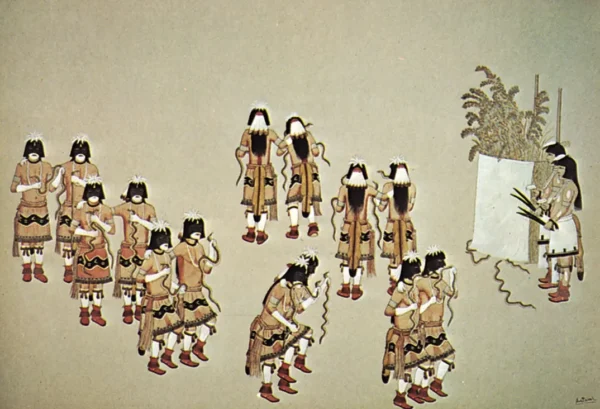
Benjamin Lee Whorf’s essay “An American Indian Model of the Universe,” published posthumously in Language, Thought, and Reality, advances one of the most provocative claims in twentieth-century linguistic anthropology

I want you to be shocked into the reason that gets to a point. I want you to be shocked with TRUTH and not with emotionalism in order to ‘get to Truth’, ‘a point on a line’, ‘a direction’, ‘intention’, etc.

We begin with three little words that live in every English mouth and almost never get examined: should, could, would. And one more, the quiet one: have.