
Uncovering the Fullness of Meaning
Returning to the Hebrew and Greek Roots

John Nelson Darby’s theological system rests upon three interlocking pillars that cannot withstand rigorous scrutiny of the original Hebrew and Greek texts
Explore Christianity From the 1st Century
Looking into the mind of the 1st century christian
Articles
See all articles
Interviews
Check out our interviews
Resources
Informational Resources
Statement of Faith
What we believe
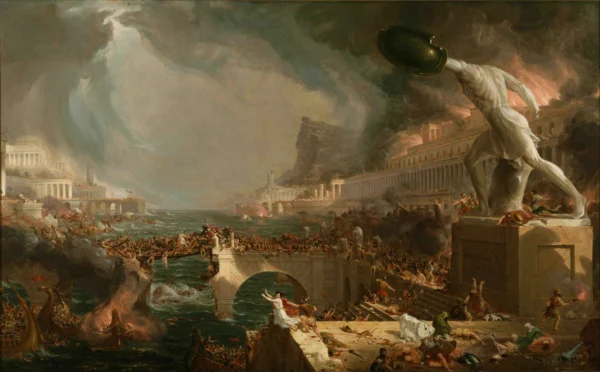
The lexical and conceptual career of chaos across the early medieval continuum—from its Hesiodic inauguration through Latin patristic mediation into the vernaculars of Old English and Old Norse—reveals not progressive dissolution into formlessness but a persistent re-inscription of structured aperture, directed passage, and sovereign instrumentality.

I. The Question of Autonomy The grammatical shift from an abstract quality to a concrete actor is a major reason why many readers and historical traditions have viewed the Tempter or the Devil as a literal person.
The grammatical shift from an abstract quality to a concrete actor is a major reason why many people—and historical traditions—view the Tempter or the Devil as a literal person.
Contact Us
Looking into the mind of the 1st century christian
FAQ
What does 1st century christian mean?
1st century Christian belief refers to the foundational teachings and practices of early Christians, who viewed Jesus as the Messiah and emphasized faith in his resurrection for salvation.