All Posts
scroll to see more>
I mostly dove into the Biblical and classical Greek to find the materials that supported my proposed theory on “the archer of intent” and “his/her” linguistic anatomy. Only later in my search for truths did I find my archery maxim to be fully substantiated in the Tanach (Hebrew Old Testament).
In Sumerian myth, the garden wasn’t called Eden. It was Edin (flat plain). In Sumerian Legend, the steppe was where the gods walked the plains.
Y-R-H (יָרָה): Root meaning “to shoot” (like an arrow) or “to teach/direct.” Y-R-H conveys intentional guidance and is much broader than just the “law”. Y-R-H encompasses teaching, instruction, and/ or a path such as the Pentateuch, specific rules, or wisdom. Related words Y-R-H include Moreh/ M-R-H (teacher/guide) and Torah/ T-R-H (instruction).
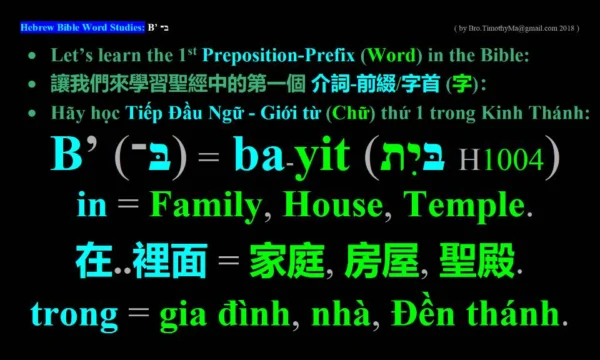
The Hebrew Prefix ba or B- sticks to the front of the basic shuresh or root form of each Hebrew word creating a prepositional ‘in’ or ‘with’ stance with the word that it is modifying.
Thirty-two hundred years before Christ, southern Iraq smelled of mud and barley. Wet clay pressed against reed tips made the first pictures-three lines for grain, a goat’s head for goats. They weren’t pretty; they were practical.
Once, when seas were younger and stars still argued over their places, there was a circle of light hovering above the Atlantic-a ring of twelve knights in a blazing celestial plate, each crowned by his own sun. They weren’t men, they were the zodiac itself, wearing flesh only because mortals needed mirrors they could touch.
Jesus says in Matthew 16, what you bind on earth is bound in heaven. The Pharisees twist law into chains. They make Sabbath rules so tight a man can’t heal, tithing taken while widows starve.