Studies in Revelation
Insights to the Mystae as employed by John, the Revelator
Chapter: The Libation Bowl—From Minoan Ritual to Apocalyptic Judgment
1. Historical Origins and Design
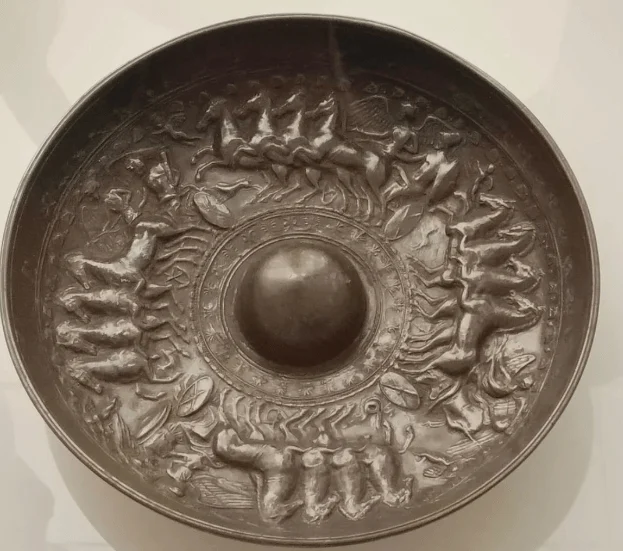
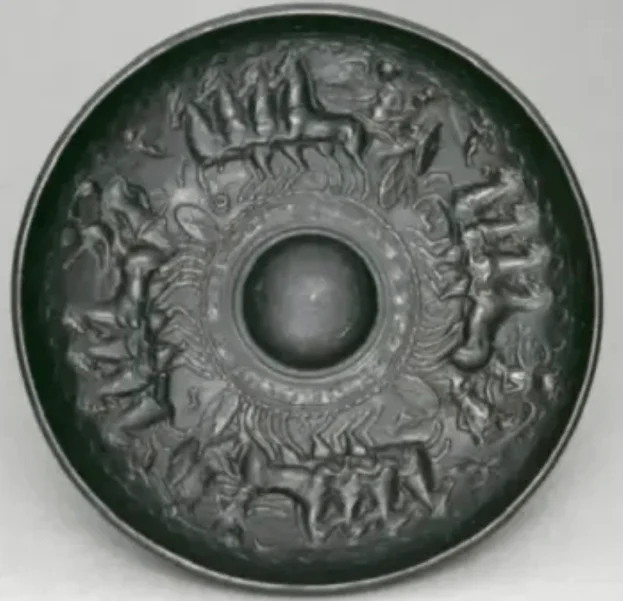
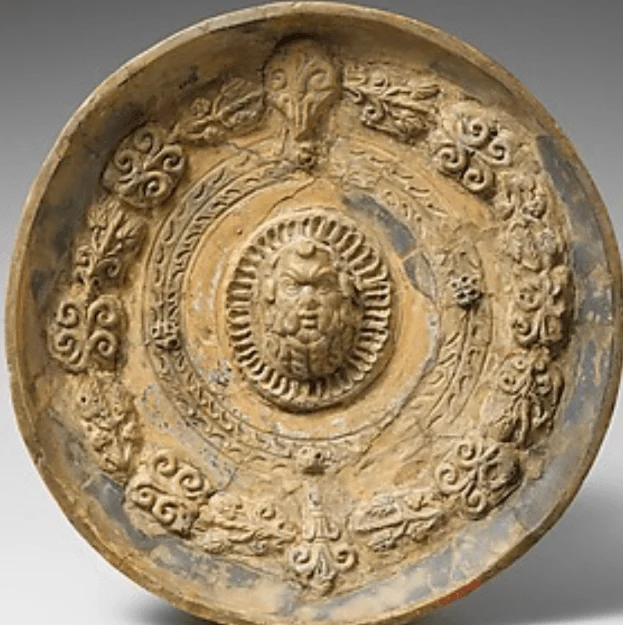
The libation bowl, known in Greek as phiale (φιάλη), emerges in the archaeological recordaround 2500–2200 BC during the late Neolithic/early Bronze Age in the Aegean. The earliest examples—clay, stone, and occasionally metal—come from Minoan Crete and the Cyclades islands. These were shallow, wide-mouthed vessels, often featuring a central omphalos (a raised boss) for thumb-grip during pouring.
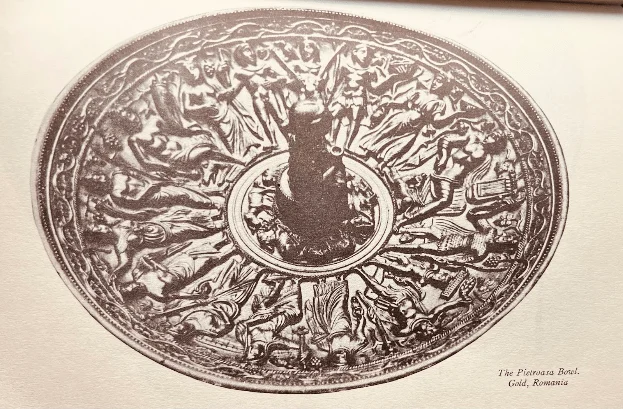
By the Mycenaean period (c. 1600–1100 BC), the phiales appeared in elite burials—gold and silver versions, sometimes engraved with spirals or rosettes—signaling status and divine favor. The Greeks inherited and refined them: by the Archaic period (c. 800 BC), every sanctuary had dozens, made of bronze, silver, or painted pottery.
Function: pour out wine, milk, oil, or water as an offering. The act—libatio—was personal, communal, sacred. “This is for you,” you’d say to Zeus, Athena, or the dead. The bowl wasn’t just a tool; it was a bridge between worlds.
2. Cultural Role in Mystery Religions In the Hellenistic world (post-Alexander, 323 BC onward), phiales gained darker, more intimate meanings. Mystery cults—Dionysus, Isis, Mithras—used them in secret rites. Wine poured out became a blood-symbol while honey meant immortality. The pagan act mimicked cosmic surrender, such as saying: release your life-force and gain favor from the unseen. These weren’t public altars. They were candle-lit, drum-heavy, and ecstatic. To the mystae initiates the bowl held power—sometimes dangerous power. A single drop could curse or bless.
(continued thought as John uses this pagan symbology)
3. John of Patmos and the Seven Phiales of Revelation John writes Revelation around 95–96 AD, exiled on Patmos. In chapters 15–16, he sees seven angels with seven phiales—the Greek word is identical to the pagan libation bowl. Here’s the text, straight from the Greek:
• Revelation 15:7: “One of the four living creatures gave to the seven angels seven golden bowls full of the wrath of God…”
• Revelation 16:1–21: The angels pour:
First: sores.
Second: sea turns blood.
Third: rivers poison.
Fourth: sun scorches.
Fifth: darkness.
Sixth: Euphrates dries—Armageddon. Seventh: “It is done” —earthquakes, hail, Babylon collapses.
4. The Deliberate Echo
John didn’t invent the bowl. He grew up in a Greek-speaking world where phiales were everywhere—temples, homes, graves. He knew the mystery cults’ tricks: pour out, get back. But John’s visions flip it.
The pagans poured to appease gods. God pours to judge. The same shallow vessel—same thumb-hold, same spill—now carries wrath, not wine. It’s poetic justice: the tool of human bargaining becomes the instrument of divine refusal. No more deals. The cup’s full, and it’s tipped.
5. Early Christian Interpretation
By the second century, church fathers like Irenaeus and Tertullian saw the phiales as anti-pagan satire. They weren’t literal bowls—they were God’s answer to every altar, every libation, every blood-rite. The bowl that once fed idols now feeds judgment.
Some even argued the seven phiales mirrored the seven planetary spheres—astrology’s own “bowls” —and God was draining them dry. Others tied it to Old Testament imagery: the “cup of wrath” in Jeremiah, Isaiah. Same idea, Greek packaging.
Conclusion
The phiale starts as a humble Minoan cup—2500 BC, pouring milk for the sea. It ends as John’s cosmic weapon—95 AD, pouring fire on humanity. Same shape. Opposite purpose.
References:
Biblical Sources: Phiales in Revelation
John calls them phialai (φιάλαι) every time! It is the same Greek word for libation bowls. Key spots:
• Revelation 5:8 – “golden bowls full of incense (which are the prayers of the saints)”
• Revelation 15:7 – “seven golden bowls full of the wrath of God”
• Revelation 16:1–21 – the whole sequence: angels pour the seven bowls.
• 16:2 – first bowl: sores
• 16:3 – second: sea to blood
• 16:4 – third: rivers poison
• 16:8–9 – fourth: sun scorches
• 16:10–11 – fifth: darkness
• 16:12–16 – sixth: Euphrates dries, Armageddon
• 16:17–21 – seventh: “It is done, ” earthquakes, hail, Babylon falls
Also echoes:
• Revelation 14:10 – “the cup of the wine of God’s wrath” (different word, but same idea—spilled judgment)
• Revelation 21:9 – “the seven bowls full of the seven last plagues” (wrap-up) Historical / Pagan Sources: Libation Bowls (Phiales)
Real artifacts and texts: Minoan Crete (c. 2500–1500 BC): Clay and stone phiales from Knossos, Phaistos, the omphalos-center. See Arthur Evans’ Palace of Minos (1921–1936), vol. 2, plates on ritual vessels.
• Mycenaean gold phiales: Grave Circle A, Mycenae—c. 1550 BC. Heinrich Schliemann dug ’em up; now in National Archaeological Museum, Athens.
• Homer—Iliad 1.462–463: Priam pours libation from a phiale to Zeus before the duel.
• Hesiod—Theogony 135: gods receive poured offerings (phiale implied).
• Herodotus—Histories 2.37: Egyptian priests pour milk from phiales to Nile gods—cross-cultural note.
• Pausanias—Description of Greece 1.34.3: Athena’s sanctuary at Rhamnous had silver phiales for libations.
• Dionysian cults: Euripides’ Bacchae 704–711—maenads pour wine from phiales during frenzy.
• Archaeological hits:
• Louvre Museum: bronze phiale from Delphi, c. 500 BC, thumb-hold boss.
• British Museum: silver phiale from Thrace, c. 400 BC, inscribed to Dionysus.
• Metropolitan Museum: Minoan clay phiale, c. 2000 BC, from Hagia Triada.
Extra tie-in:
Pliny the Elder—Natural History 33.47—mentions gold phiales as temple loot from Greece. And in mystery religions? Philo of Alexandria (On the Contemplative Life 75) describes Isis devotees pouring honey from phiales.