
Articles, Book Reviews
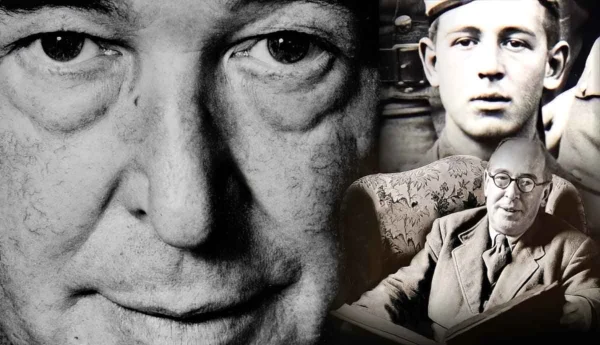
As an admirer of the venerable scholar, C.S. Lewis, I will attempt an integral view of C.S. Lewis’s “The Allegory of Love: A Study in Medieval Tradition (1936)”, “Studies in Words (1960)”, and “The Four Loves (1960)” attempting a coherent doctrinal inquiry into language, literary history, and the taxonomy of human affection.
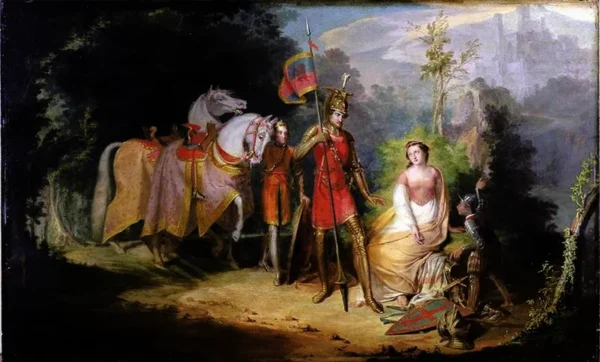
Today we examine C.S. Lewis’s profound appreciation of Edmund Spenser’s The Faerie Queene in his Clarendon Press volume, Poetry and Prose in the Sixteenth Century.
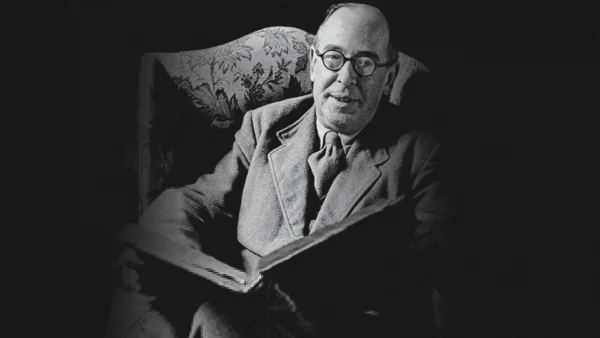
I offer an integrated view of three of C.S. Lewis’s works: 1) The Allegory of Love: A Study in Medieval Tradition (1936), 2) Studies in Words (1960), and 3) The Four Loves (1960).
Here’s a solid outline of C.S. Lewis’s The Allegory of Love based on its chapters and main points. It’s a study in medieval tradition, tracing how courtly love and the allegorical method fused in literature from the 11th century onward.
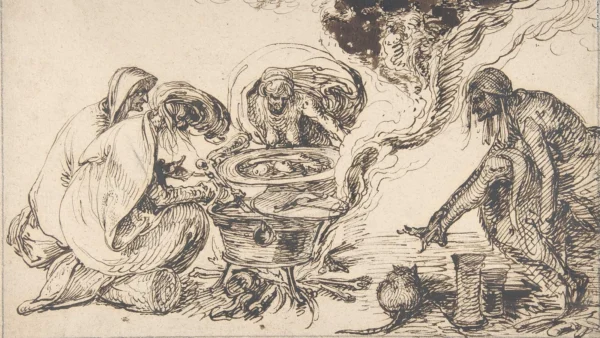
Goetics—from the Greek goēteia, meaning sorcery or deceptive magic—refers to low, coercive witchcraft involving spirit-summoning and illusion.
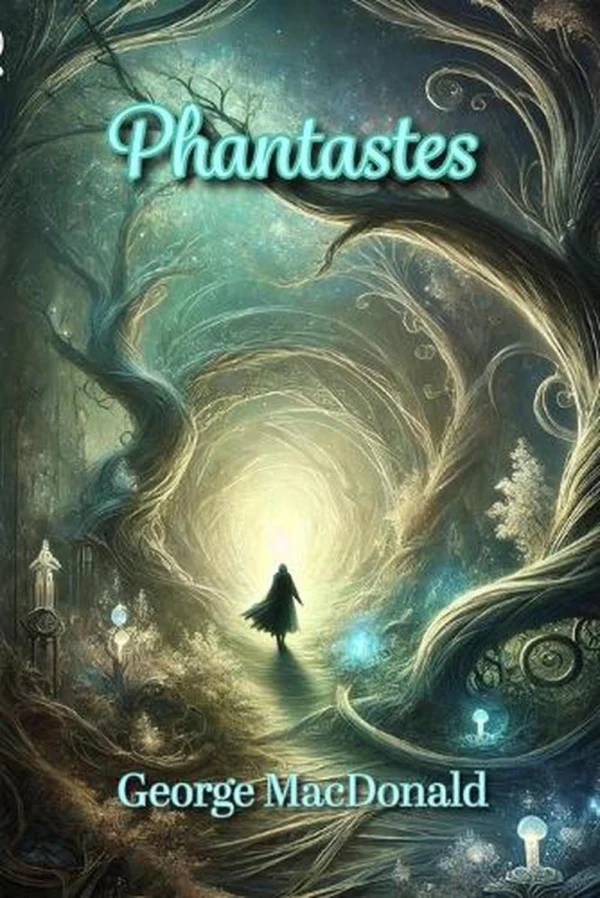
Phantastes: A Faerie Romance for Men and Women, published in 1858, marks a pivotal moment in literary history as one of the first adult fantasy novels, blending dream-vision, medieval romance, and psychological allegory.