Jesus says in Matthew 16, what you bind on earth is bound in heaven. The Pharisees twist law into chains. They make Sabbath rules so tight a man can’t heal, tithing taken while widows starve.
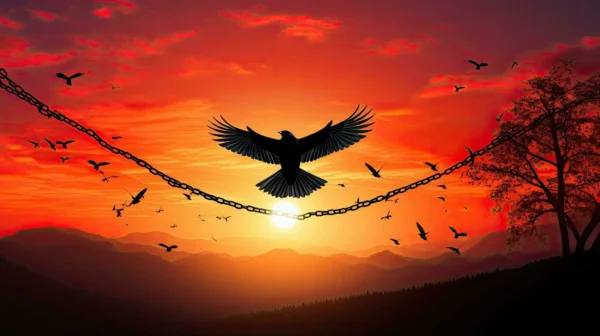
Concerning the Binding of many world serpent mythologies: the dragon’s coil everything’s motion making all things halted — including mercy which is now dammed. Yahweh’s loosing or releasing of the binding: it is the opposite: Exodus 2:24, God heard their groaning and snapped Pharaoh’s yoke; Isaiah 58, loosen ( loosed/ released) the chains of injustice.
A comparative analysis:
Freedom isn’t permission-it’s blood-flow. Jesus flips the script: Pharisees hoard commandments like Vritra hoards rivers-legal waters stagnant, life choked. They bind (Hebrew , same root as curse) and loose ( patar , release) by vote in council-human votes pretending divine stamp. But only Yahweh binds chaos (Leviathan, Job 41, I bind his tongue) while the Pharisees bind people.
Wordplay seals it: their fence around Torah is literally , boundary-dragon-wall. Jesus calls them whitewashed tombs (white scales, bone under)-looks holy, reeks inside.
Final conclusion:
Norse dragons blocks the road; Pharisees block repentance. Yahweh looses sin like Indra splitting up the dam; Pharisees re-dam it with handwashing.
Pharisees are dragons: not cosmic, just petty. Jesus doesn’t kill them-he unmasks: You nullify God’s word by tradition (Mark 7) yet Jesus slayed the Pharisees by exposing their hypocrisy. So, the Dragon shrinks when the Verb, YHVH, courses through our “soul highway”.