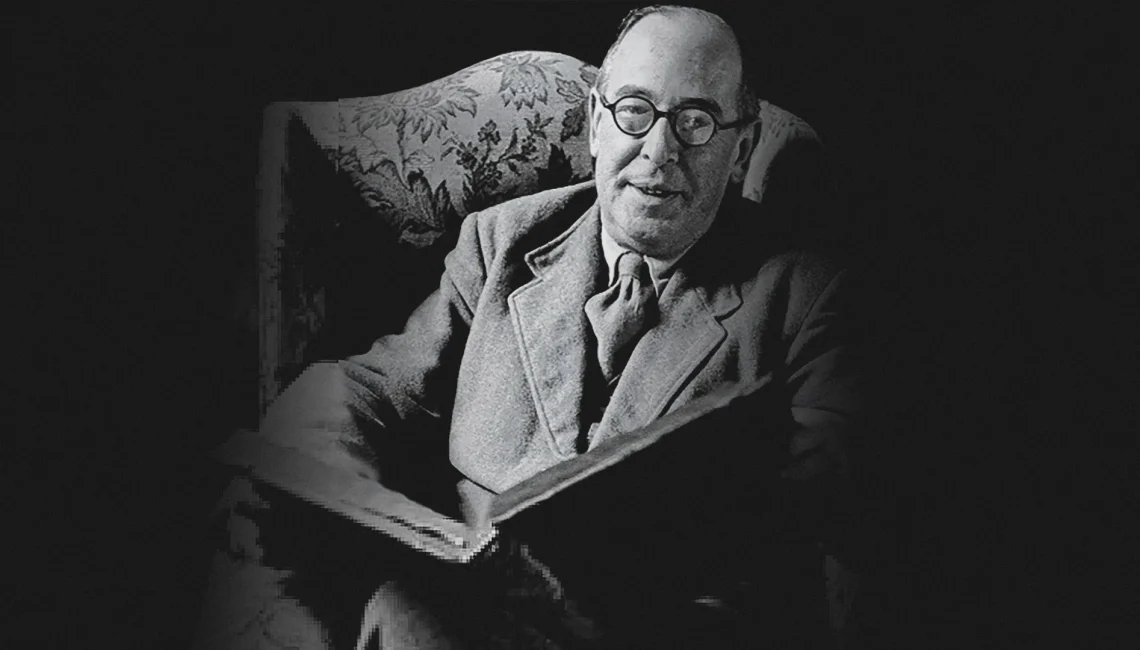
Image and Imagination-Essays and Reviews presents a rigorous doctrinal inquiry into the nature of literary imagination, the ontological status of images, and their function within both pagan and Christian poetics. Lewis distinguishes sharply between the mere visual image and the deeper imaginative act that participates in the creation of meaning.
Central to his argument is the concept of the imago—the Latin term for image, drawn from Genesis 1:26–27, where humanity is made in the imago Dei. Lewis insists that true literary imagination is not subjective fantasy but a disciplined faculty that apprehends objective reality through symbolic forms. He repeatedly contrasts phantasia (the Greek term for mere fantasy or appearance) with the Latin, imaginatio (imagination), the higher faculty that penetrates to the essence of things. In his essay on imagination, Lewis defines it as “the organ of meaning,” a phrase that recurs throughout the volume.
Lewis explores this in his discussion of medieval dream-vision poetry, where the image is not decorative but structural.
He analyzes how the allegorical image functions as a mode of knowledge, drawing upon the Chartrian Platonists and their distinction between natura naturans and natura naturata. The image, for Lewis, participates in a hierarchy of being: from the literal to the allegorical to the anagogical (Greek anagoge: “a leading” or “upward climb” signaling a lifting of one’s mind from earthly realities to eternal ones) echoing the fourfold medieval method of interpretation.
Throughout the essays, Lewis engages patristic and scholastic sources, including Augustine’s “De Genesi ad Litteram”, where the distinction between corporeal, spiritual, and intellectual vision provides the framework for understanding literary imagery. He employs the Latin phrase imago imaginans to describe the active, creative image-making faculty, contrasting it with passive reception of sensory data.
Lewis’s treatment of myth is particularly doctrinal. He asserts that pagan myths are not falsehoods but “broken images” of the true myth realized in the Incarnation. The imagination, rightly ordered, becomes the faculty by which the reader perceives this continuity. In his analysis of Spenser and Dante, Lewis demonstrates how the greatest poets use image not to escape reality but to disclose it more fully.
A recurring technical term is stock response, which Lewis defines as the culturally conditioned, automatic emotional reaction that bypasses genuine imaginative engagement. He contrasts this with the disciplined response that allows the image to operate upon the soul with transformative power. Lewis borrows the scholastic term habitus to mean a stable disposition of the soul in which to describe the cultivated imaginative virtue necessary for proper literary reception.
The volume culminates in Lewis’s insistence that imagination, when subordinated to reason and charity, becomes a sacramental faculty. The literary image is not an end in itself but a pointer toward the eternal Imago, the second person of the Trinity, in whom all images find their coherence.
This doctrinal presentation reveals Lewis’s unified vision: literary criticism is never merely aesthetic but always participates in the larger Christian understanding of creation, fall, and redemption. Every image, rightly read, participates in the restoration of the imago Dei within the reader.