John’s Apocalypse

Studies in Revelation

Insights to the Mystae as employed by John, the Revelator

Chapter: The Libation Bowl—From Minoan Ritual to Apocalyptic Judgment

1. Historical Origins and Design

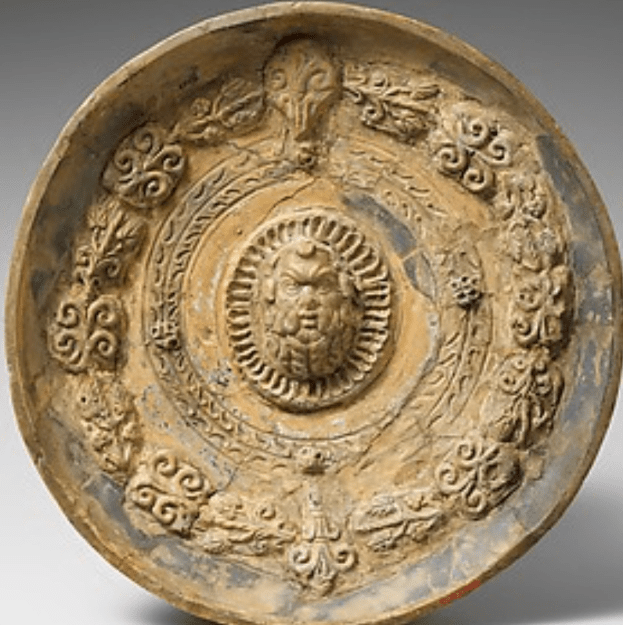
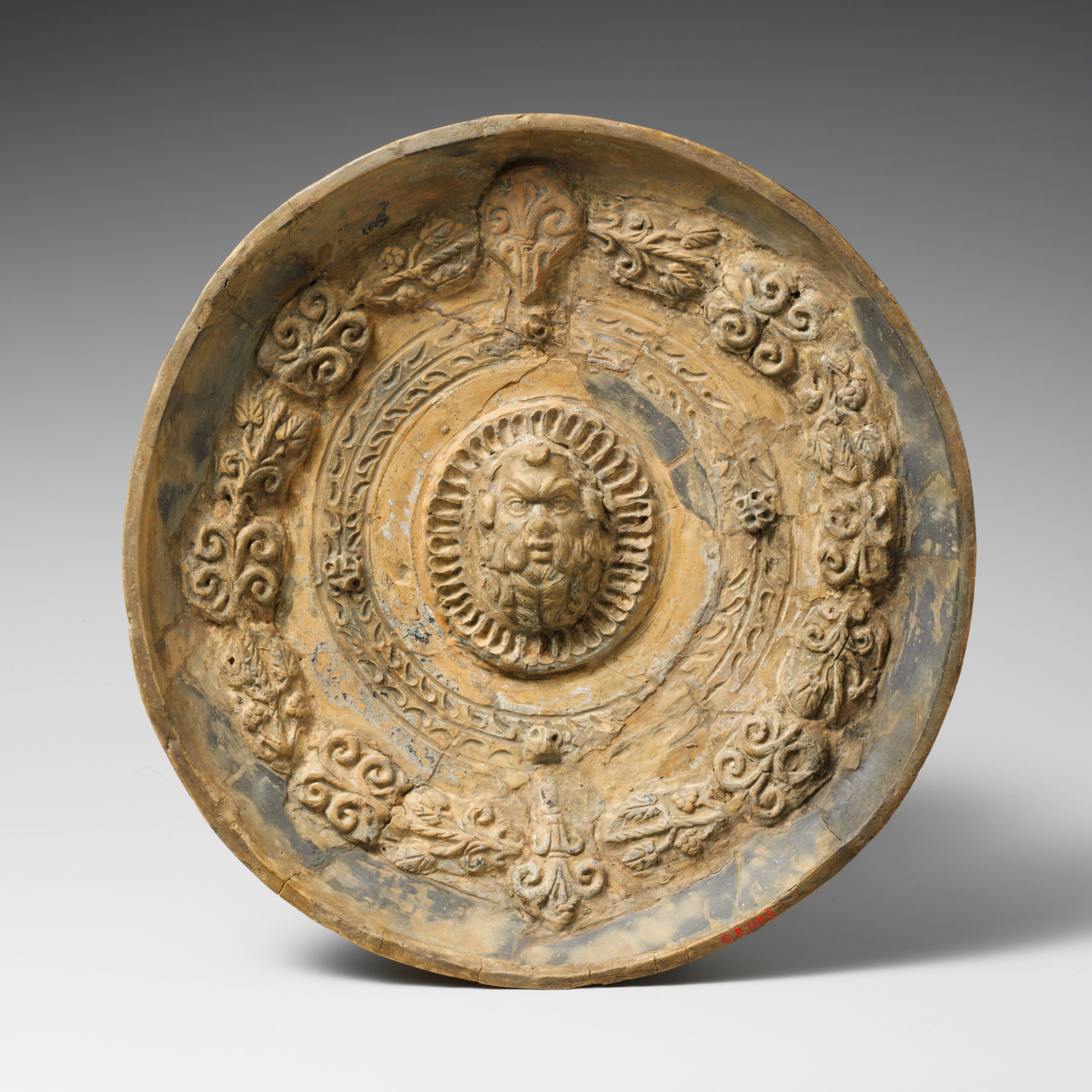
The libation bowl, known in Greek as phiale (φιάλη), emerges in the archaeological recordaround 2500–2200 BC during the late Neolithic/early Bronze Age in the Aegean. The earliest examples—clay, stone, and occasionally metal—come from Minoan Crete and the Cyclades islands. These were shallow, wide-mouthed vessels, often featuring a central omphalos (a raised boss) for thumb-grip during pouring.

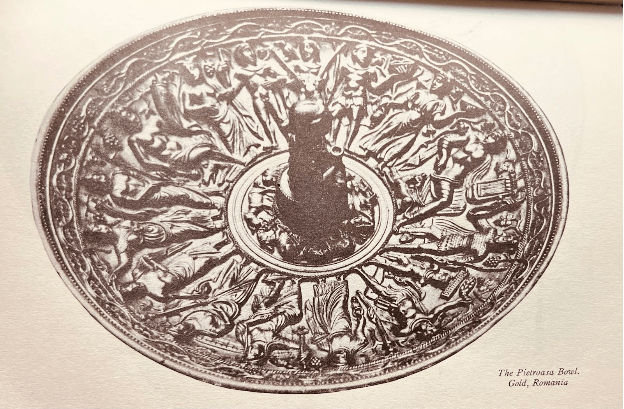
By the Mycenaean period (c. 1600–1100 BC), the phiales appeared in elite burials—gold and silver versions, sometimes engraved with spirals or rosettes—signaling status and divine favor. The Greeks inherited and refined them: by the Archaic period (c. 800 BC), every sanctuary had dozens, made of bronze, silver, or painted pottery.

Function: pour out wine, milk, oil, or water as an offering. The act—libatio—was personal, communal, sacred. “This is for you,” you’d say to Zeus, Athena, or the dead. The bowl wasn’t just a tool; it was a bridge between worlds.

2. Cultural Role in Mystery Religions In the Hellenistic world (post-Alexander, 323 BC onward), phiales gained darker, more intimate meanings. Mystery cults—Dionysus, Isis, Mithras—used them in secret rites. Wine poured out became a blood-symbol while honey meant immortality. The pagan act mimicked cosmic surrender, such as saying: release your life-force and gain favor from the unseen. These weren’t public altars. They were candle-lit, drum-heavy, and ecstatic. To the mystae initiates the bowl held power—sometimes dangerous power. A single drop could curse or bless.

(continued thought as John uses this pagan symbology)

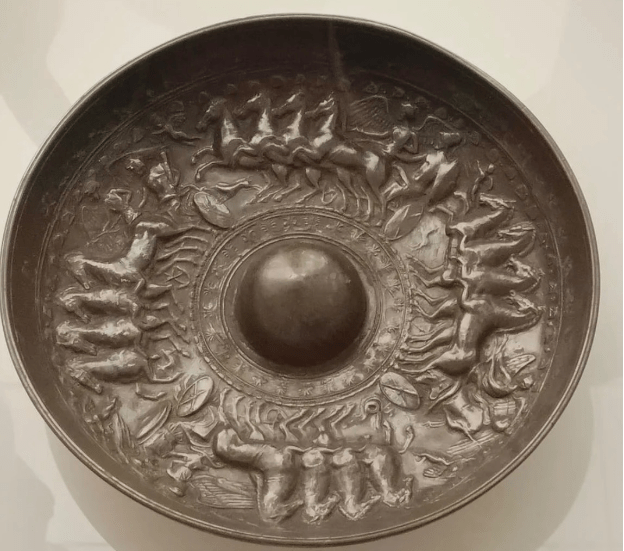
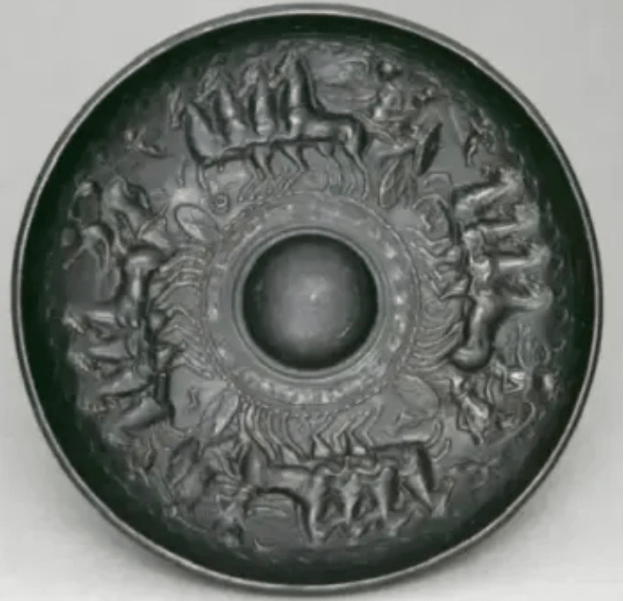
3. John of Patmos and the Seven Phiales of Revelation John writes Revelation around 95–96 AD, exiled on Patmos. In chapters 15–16, he sees seven angels with seven phiales—the Greek word is identical to the pagan libation bowl. Here’s the text, straight from the Greek:

• Revelation 15:7: “One of the four living creatures gave to the seven angels seven golden bowls full of the wrath of God…”

• Revelation 16:1–21: The angels pour:

First: sores.

Second: sea turns blood.

Third: rivers poison.

Fourth: sun scorches.

Fifth: darkness.

Sixth: Euphrates dries—Armageddon. Seventh: “It is done” —earthquakes, hail, Babylon collapses.

4. The Deliberate Echo

John didn’t invent the bowl. He grew up in a Greek-speaking world where phiales were everywhere—temples, homes, graves. He knew the mystery cults’ tricks: pour out, get back. But John’s visions flip it.

The pagans poured to appease gods. God pours to judge. The same shallow vessel—same thumb-hold, same spill—now carries wrath, not wine. It’s poetic justice: the tool of human bargaining becomes the instrument of divine refusal. No more deals. The cup’s full, and it’s tipped.

5. Early Christian Interpretation

By the second century, church fathers like Irenaeus and Tertullian saw the phiales as anti-pagan satire. They weren’t literal bowls—they were God’s answer to every altar, every libation, every blood-rite. The bowl that once fed idols now feeds judgment.

Some even argued the seven phiales mirrored the seven planetary spheres—astrology’s own “bowls” —and God was draining them dry. Others tied it to Old Testament imagery: the “cup of wrath” in Jeremiah, Isaiah. Same idea, Greek packaging.

Conclusion

The phiale starts as a humble Minoan cup—2500 BC, pouring milk for the sea. It ends as John’s cosmic weapon—95 AD, pouring fire on humanity. Same shape. Opposite purpose.

References:

Biblical Sources: Phiales in Revelation

John calls them phialai (φιάλαι) every time! It is the same Greek word for libation bowls. Key spots:

• Revelation 5:8 – “golden bowls full of incense (which are the prayers of the saints)”

• Revelation 15:7 – “seven golden bowls full of the wrath of God”

• Revelation 16:1–21 – the whole sequence: angels pour the seven bowls.

• 16:2 – first bowl: sores

• 16:3 – second: sea to blood

• 16:4 – third: rivers poison

• 16:8–9 – fourth: sun scorches

• 16:10–11 – fifth: darkness

• 16:12–16 – sixth: Euphrates dries, Armageddon

• 16:17–21 – seventh: “It is done, ” earthquakes, hail, Babylon falls

Also echoes:

• Revelation 14:10 – “the cup of the wine of God’s wrath” (different word, but same idea—spilled judgment)

• Revelation 21:9 – “the seven bowls full of the seven last plagues” (wrap-up) Historical / Pagan Sources: Libation Bowls (Phiales)

Real artifacts and texts: Minoan Crete (c. 2500–1500 BC): Clay and stone phiales from Knossos, Phaistos, the omphalos-center. See Arthur Evans’ Palace of Minos (1921–1936), vol. 2, plates on ritual vessels.

• Mycenaean gold phiales: Grave Circle A, Mycenae—c. 1550 BC. Heinrich Schliemann dug ’em up; now in National Archaeological Museum, Athens.

• Homer—Iliad 1.462–463: Priam pours libation from a phiale to Zeus before the duel.

• Hesiod—Theogony 135: gods receive poured offerings (phiale implied).

• Herodotus—Histories 2.37: Egyptian priests pour milk from phiales to Nile gods—cross-cultural note.

• Pausanias—Description of Greece 1.34.3: Athena’s sanctuary at Rhamnous had silver phiales for libations.

• Dionysian cults: Euripides’ Bacchae 704–711—maenads pour wine from phiales during frenzy.

• Archaeological hits:

• Louvre Museum: bronze phiale from Delphi, c. 500 BC, thumb-hold boss.

• British Museum: silver phiale from Thrace, c. 400 BC, inscribed to Dionysus.

• Metropolitan Museum: Minoan clay phiale, c. 2000 BC, from Hagia Triada.

Extra tie-in:

Pliny the Elder—Natural History 33.47—mentions gold phiales as temple loot from Greece. And in mystery religions? Philo of Alexandria (On the Contemplative Life 75) describes Isis devotees pouring honey from phiales.
 

The Prophetic View 5 “Gog and Magog”

Ezekiel 38

1 And the word of the LORD came unto me, saying, 2 Son of man, set thy face against Gog, the land of Magog, the chief prince of Meshech and Tubal, and prophesy against him, 3 And say, Thus saith the Lord GOD; Behold, I am against thee, O Gog, the chief prince of Meshech and Tubal: 4 and I will turn thee back, and put hooks into thy jaws, and I will bring thee forth, and all thine army, horses and horsemen, all of them clothed with all sorts of armour, even a great company with bucklers and shields, all of them handling swords: 5 Persia, Ethiopia, and Libya with them; all of them with shield and helmet: 6 Gomer, and all his bands; the house of Togarmah of the north quarters, and all his bands: and many people with thee.

7 Be thou prepared, and prepare for thyself, thou, and all thy company that are assembled unto thee, and be thou a guard unto them. 8 After many days thou shalt be visited: in the latter years thou shalt come into the land that is brought back from the sword, and is gathered out of many people, against the mountains of Israel, which have been always waste: but it is brought forth out of the nations, and they shall dwell safely all of them. 9 Thou shalt ascend and come like a storm, thou shalt be like a cloud to cover the land, thou, and all thy bands, and many people with thee.

10 Thus saith the Lord GOD; It shall also come to pass, that at the same time shall things come into thy mind, and thou shalt think an evil thought: 11 And thou shalt say, I will go up to the land of unwalled villages; I will go to them that are at rest, that dwell safely, all of them dwelling without walls, and having neither bars nor gates, 12 To take a spoil, and to take a prey; to turn thine hand upon the desolate places that are now inhabited, and upon the people that are gathered out of the nations, which have gotten cattle and goods, that dwell in the midst of the land. 13 Sheba, and Dedan, and the merchants of Tarshish, with all the young lions thereof, shall say unto thee, Art thou come to take a spoil? hast thou gathered thy company to take a prey? to carry away silver and gold, to take away cattle and goods, to take a great spoil?

14 Therefore, son of man, prophesy and say unto Gog, Thus saith the Lord GOD; In that day when my people of Israel dwelleth safely, shalt thou not know it? 15 And thou shalt come from thy place out of the north parts, thou, and many people with thee, all of themriding upon horses, a great company, and a mighty army: 16 And thou shalt come up against my people of Israel, as a cloud to cover the land; it shall be in the latter days, and I will bring thee against my land, that the heathen may know me, when I shall be sanctified in thee, O Gog, before their eyes.

17 Thus saith the Lord GOD; Art thou he of whom I have spoken in old time by my servants the prophets of Israel, which prophesied in those days many years that I would bring thee against them? 18 And it shall come to pass at the same time when Gog shall come against the land of Israel, saith the Lord GOD, that my fury shall come up in my face. 19 For in my jealousy and in the fire of my wrath have I spoken, Surely in that day there shall be a great shaking in the land of Israel; 20 So that the fishes of the sea, and the fowls of the heaven, and the beasts of the field, and all creeping things that creep upon the earth, and all the men that are upon the face of the earth, shall shake *at my presence*1 , and the mountains shall be thrown down, and the steep places shall fall, and every wall shall fall to the ground. 21 And I will call for a sword against him throughout all my mountains, saith the Lord GOD: every man’s sword shall be against his brother. 22 And I will plead against him with pestilence and with blood; and I will rain upon him, and upon his bands, and upon the many people that are with him, an overflowing rain, and great hailstones, fire, and brimstone. 23Thus will I magnify myself, and sanctify myself; and I will be known in the eyes of many nations, and they shall know that I am the LORD.

*Region* of Gog: It appears that “Gog” means “Mountain”, i.e., the Caucasus (cf. to the Persian: koh, Ossetic ghogh = “mountain”. The Ossetic Koh-Kof was the “chief seat of the Scythians (or Magogites)” who were and will be again a barbarous warring tribe whose practice was to put hooks in the jaws of the leaders they conquered. The Hebrew etymom of this same word meant “roof”, “high”, “lofty”. The Arabic, “juju”, the heightened part of a ship; or the head figure that is placed on the prow of a ship. But Gog is more than just a figurative ‘mountain’, he was indeed known to be the “Rosh (Head)” prince of the warring tribes of the Scythians (or Tartar) in the Caucasus mountain range.

Therefore, Gog is, for sure, revived as the “Chief” or “Rosh” Prince (Nasi) of the Caucasus region (The Magogites/ Magog)that will attack Israel in the last days (cf. below to ft. nt. #1 in Matthew 24:21-31).

1 Matthew 24:21 “Immediately after the tribulation of those days shall the sun be darkened, and the moon shall not give her light, and the stars shall fall from heaven, and the powers of the heavens shall be shaken: (30) And THEN shall appear the sign of the Son of man in Heaven and THEN shall all the tribes of the earth mourn, and they shall see the Son of man coming in the clouds of Heaven with power and great glory. (31) And He shall send His angels with a freat sound of a trumpet, and they shall gather together His elect from the four winds, from one nd of Heaven to the other.” –Jesus–

I believe that “Rosh” is indeed one and the same as the Russian forces that will align with Iran (Persia) to attack Israel in the Last Days. We are already seeing this happen in its beginning stages. The Bible is reading like a current news article.

In my next lecture, lecture #6, I will cover more detail concerning the Medes, Persia and

Togarmah, whose tribal identities mix with the Magogites under Gog.

The Prophetic View 4

This will be our fourth Prophetic View lecture having left off with a brief stint of Ezekiel’s “Meshech” or “Meskhi” name. Both “Meshech” and “Tubal” are found in Ezekiel 38:2 as the province-cities by which their “Chief” (or “Rosh1”) prince2 named Gog to be found amongst the Colchian tribes of the Caucasus between the Euxine (Black) and Caspian Sea.

What we know of Tubal is quite a bit. Tubal is reckoned with Javan and Mesheck among the sons of Japeth (Genesis 10:2; I Chronicles 1:5). Tubal and Meshech are both associated with bringing wealth from their merchandising with Tyre. Javan, Tubal and Meshech brought slaves and copper vessels to the Phoenician markets

(Ezekiel 27:13). Tubal and Meshech are nations of the North (Ezekiel 37:15; 39:2). The great historian Josephus is his Antiquities i, 6, 1 identifies the descendants of Tubal with the Iberians (not Spaniards) which is a very ancient race located in a tract of land between the Caspian and Euxine (modern “Black Sea”) seas, which correspond to modern Georgia. Tubal and Meshech are called “Colchian” tribes.

In Greek mythology, Colchis was the name of a region in the far southeast corner of the Black Sea which is modern day Georgian (XLK) in which Georgia retains its etymological root. In Greek mythology (which carried much history), Colchis was the homeland of Medea and associated with Jason and the quest for the Golden Fleece.

1 “top”; “head”; “leader”; “peak”;

2 Nasi-’rising mist’; ‘cloud’; ‘vapour’ { *as ruler-chief-tribal chief* }.

Many scholars hold that these Iberians were the genetic group from which the eastern and western Iberian group to have been a branch of. This Iberian group was from the Turanian family.

These two Colchian tribes (Mesh. and Tub.) are mentioned together in Herodotus: first, as forming part of the nineteenth Satrapy of the Persian empire (Herodotus iii, 94) and in Xerxes’s army under Ariomardus, the son of Darius (vii, 78).

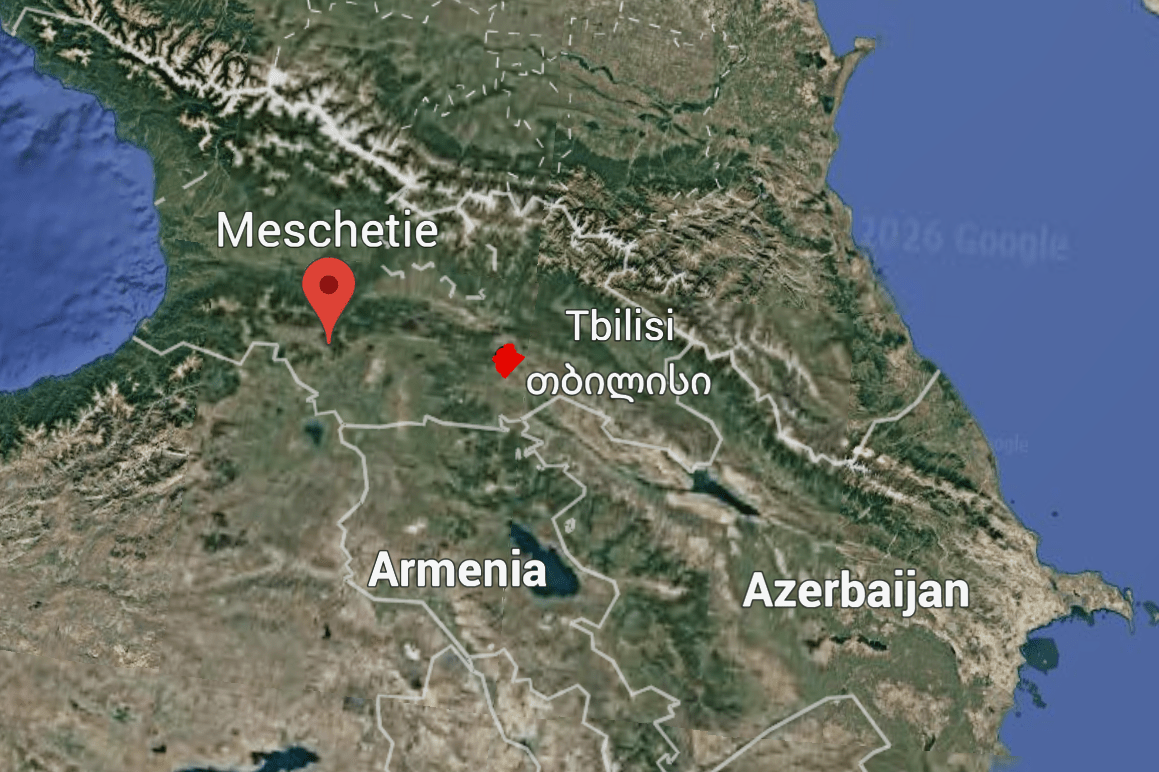
The Hebrews called the Tibareni, the Tubal. These Colchian tribes (Mesh. and Tubal) have an exhaustive amount of history that I do not have the time or energy to display here, nonetheless, we have more than ample evidence that Meshech and Tubal are sister cities that did cohabitate in the Georgian region for which we can still see their names echoed from a distant past as the modern Tbilisi (Tubal) and Meskheti (Meshech).

We are left with two more major identities in this prophecy series: Gog and Magog. We will address them next time.

The Prophetic View 3

We left off last time with Ezekiel’s prophecy of Israel’s return as One Kingdom no longer being divided into two . In Ezekiel 37:26 an “everlasting” covenant will be made with God as the Tabernacle in the midst of His people for evermore.

We see Ezekiel 37:23-28’s everlasting covenant expressed in Revelation:

Revelation 21:22 – 25

“And I saw no temple therein; for the Lord God Almighty and the Lamb are the Temple of it. (23) And the city had no need of the sun, neither of the moon, to shine it it: for the glory of God did lighten it, and the Lamb is the light thereof. (24) And the nations of them which are saved shall walk in the light of it; and the kings of the earth do bring their glory and honour into it. (25) And the gates of it shall not be shut at all by day; for there shall be no night there”.

Whether you want to hold to pre-tribulation rapture or post-tribulation rapture, the everlasting covenant with the entirety of a new creation will not occur until all things are made new and that will be at the Last Trumpet = last angel = last judgment of the last of the seven years in tribulation. 

Here we have Jesus explaining the sequence of tribulation Matthew:

Matthew 24:29

“Immediately after the tribulation of those days shall the sun be darkened, and the moon shall not give her light, and the stars shall fall from heaven, and the powers of the heavens shall be shaken: (30) And THEN shall appear the sign of the Son of man in heaven: and THEN shall all the tribes of the earth mourn, and they shall see the Son of man coming in the clouds of heaven with power and great glory: (31) And He shall send His angels with a great sound of a trumpet, and they shall gather together His elect from the four winds, from on nd of heaven to the other”.

GOG, TUBAL, MESHECH, PERSIA

Ezekiel 38:1-ff reads like a current newspaper article. Basically, the entire 38th chapter of Ezekiel tells us that Iran and Russia are to join together to attack Israel in “THE LAST DAYS”. Every bit of prophecy concerning Christ’s return ends with Gog (Russia) and Persia (Iran) attacking Israel. There will be many other nations following them to attack Israel but these are the two main players that lead this final armageddon act.

Let’s start with Ezekiel 38:1-3:
“And the Word of the LORD came unto me, saying, (2) Son of man, set thy face against God, the land of Magog (, the chief prince of Meshech and Tubal, and prophesy against him, (3) And

1 Ephraim [northern kingdom] and Judah [southern kingdom]say, Thus saith the LORD GOD; Behold, I am against thee, O Gog, the chief prince of Meshech
and Tubal”.

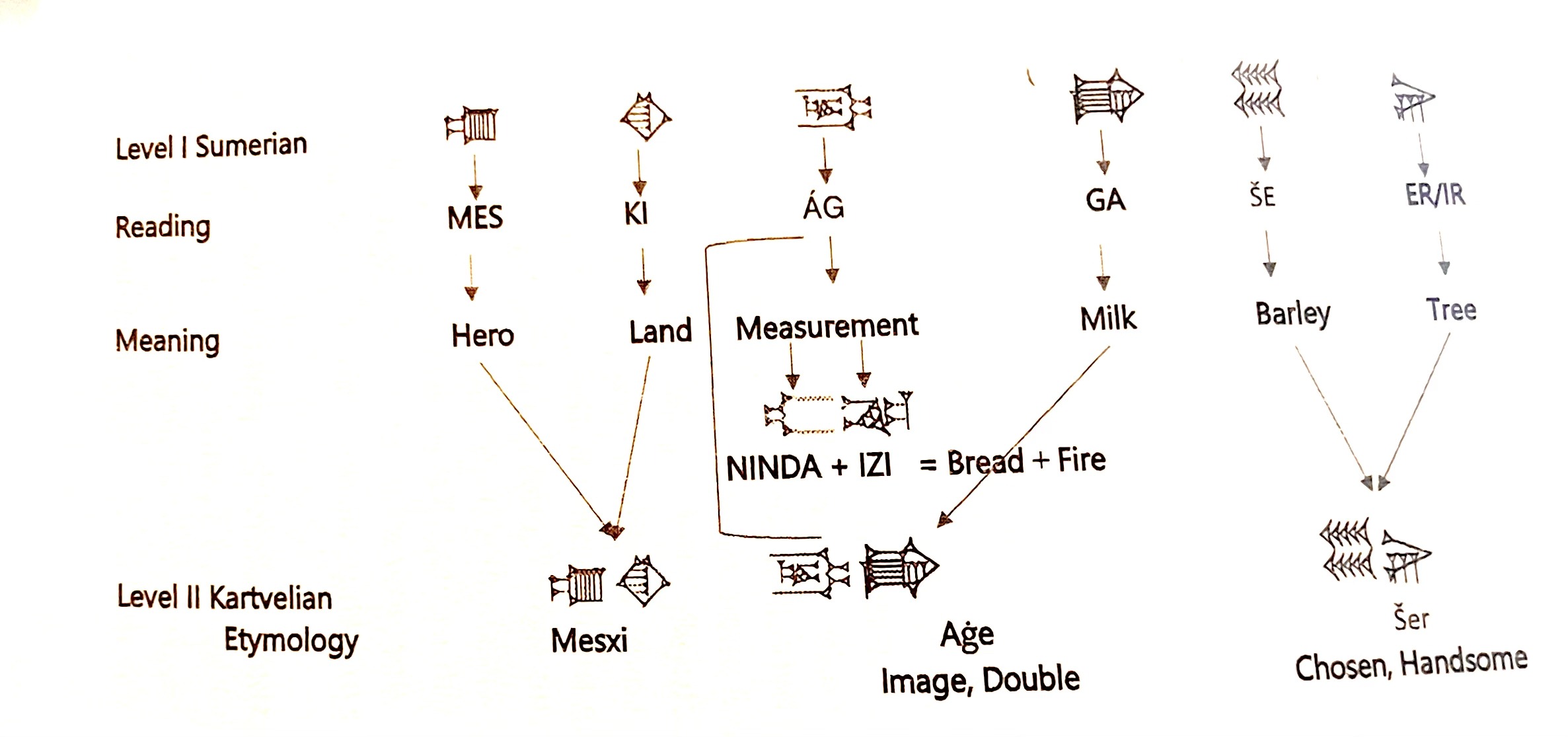
I’d like to start with analyzing the name for “Meshech”, for his name can be found in the Great Father of heroes, Meshkiangasher2. On the google map seen below, it is the Meskhi3 group that we find to the left of Tbilisi (or ‘Tubal’ as mentioned in Ezekiel 38:2). As we below, “Meshetie” is
the modern name of the 5,000 + year old province for the Meshech of Ezekiel 38:2. Tbilisi is a sister city to Mes-chetie (Ezekiel 38:2’s Meshech).

2 https://fomcm.com/nimrods-name-found-in-gilgamesh-nimrods-descendant/ (cf to my audio lecture here
on this hero’s name)

3 cf. to Dr Anna Meskhi’s genealogical work: “The Unwritten History of the Meskhis”

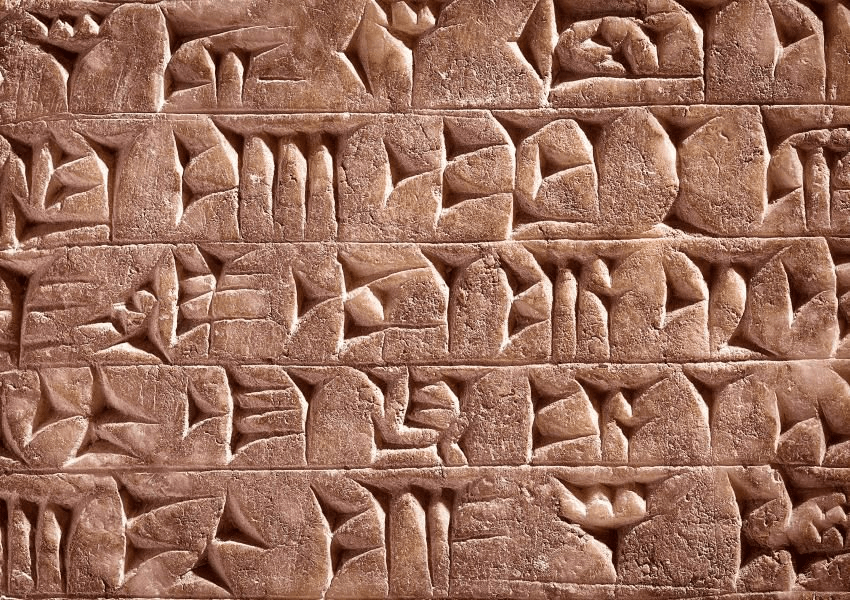
Seen above is Dr. Meshkhi’s “Bi-Logoraphic Code Structure of Meshiagasher’s Name” to show the *relationship* between Kartvelian/ Georgian and Sumerian Prior to the event of Babel, that is, when all the world was of one speech (Genesis 11:1). Dr. Simo Parpola has proven that Sumerian was genetically linked to Finnish, Uralic, Ugric, Hungarian, ——Dr. Meskhi and Dr. Martirosyan showed the links between Old Armenian/ Syunik and Old Georgian (one of the
Kartivelian languages that are all linked) together as “one speech” a long time ago, i.e., 5,000 years ago. This supports Genesis 11:1’s “all of the earth4 was of “one speech”.

In Dr. Meskhi’s Logographic chart seen above shows both of the sister cities (i.e., Tbilisi/ Tubal and Meshech to attack (under the Spirit of Gog revived) Israel in the latter Days.

For now, I leave you with this, the spirit of Antichrist is found in the name, “Mesh-ki-an-ga-sher” for it is the genealogical name for the Heros, especially that of Nimrod.  Please listen to: https://fomcm.com/nimrods-name-found-in-gilgamesh-nimrods-descendant. For it tells you that the spirit of Nimrod is alive, he is prepared with Iran to attack Israel. We will read of this in the following lectures. 

Please watch the news concerning Israel and Iran. I believe that these events are the catalyst to
Ezekiel 38.

4 that is, “erotz” or “land piece”. As was all of the “erotz” entirely flooded; all that could be accounted from observation with *limitation*.

5 Keep in mind, Ezekiel said this when Israel had been taken away by the Assyrians nearly 200 years prior to Ezekiel saying this. This prophecy needed Israel to be a reality in order for this prophecy to be valid. This is my point concerning teleology, predeterminism, and the apocalyptic view to make a
‘conjunction’ at every step of the way