
In Sumerian, speech was e-me, and clay was i-mi-like Adam and Eve before the fall. When God bent down and shaped Adam from the dust, he didn’t just pack mud; he pressed in the word first. Sumerians knew this: you can’t write until you’ve got a tongue, and you can’t have a tongue until something divine whispers it there. Adam’s breath-ruach-landed with the same click as cuneiform on wet tablet. That’s why the Egyptians put writing on the ceiling of tombs: every letter fell straight from heaven. Neanderthals could grunt, Denisovans could hum, but only Adam got the upgrade-eme wired in before the clay even cooled. So when you read formed from the ground in Genesis, think i-mi: clay plus the exact same sound God used to say Let there be. You’re not just reading dust; you’re hearing the first syllable spoken into flesh.
- Articles
In Sumerian, speech was e-me, and clay was i-mi-like Adam and Eve before the fall. When God bent down and shaped Adam from the dust, he didn’t just pack mud; he pressed in the word first.
Share Post
Kyle Jones

We begin with three little words that live in every English mouth and almost never get examined: should, could, would. And one more, the quiet one: have.
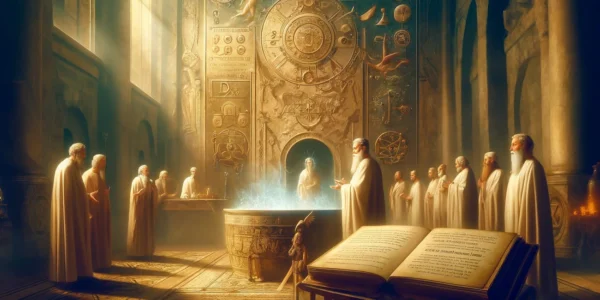
Our English Bibles conceal that four distinct Hebrew terms lie behind the single word “language.”

Here we examine the New Testament concept of freedom through the Greek term eleutheros.