
The series called “The Anatomy of Will” began with my addressing AA (Alcoholics Anonymous) called, “why AA is not a Theology”; not in derision of the founder of AA or the system that was established in Bill W’s “blue book’’ but the fallacy that can occur when AA is looked at as an answer through ‘technique’ or, a replacement ‘Theology”. I addressed in my initial lectures that when Christ is thrown out and another connotative idea of “higher power’’ usurps the initial reasoning behind AA’s founder, AA takes on an entirely different meaning. I have found that Thomas Aquinas’ “Particulars and Substance” and Plato’s “Cratylus” dialogues to be a worthy source for this argument I present. Little is mentioned of AA in these series due to my belief in staying with the coherency of the Bible and it’s choice usage of words. For requests: I will send you my initial audio notes on “why AA is not a Theology”.
- Video Lectures
The series called “The Anatomy of Will” began with my addressing AA (Alcoholics Anonymous) called, “why AA is not a Theology”; not in derision of the founder of AA or the system that was established in Bill W’s “blue book’’ but the fallacy that can occur when AA is looked at as an answer through ‘technique’ or, a replacement ‘Theology”.
Share Post
Kyle Jones

We begin with three little words that live in every English mouth and almost never get examined: should, could, would. And one more, the quiet one: have.
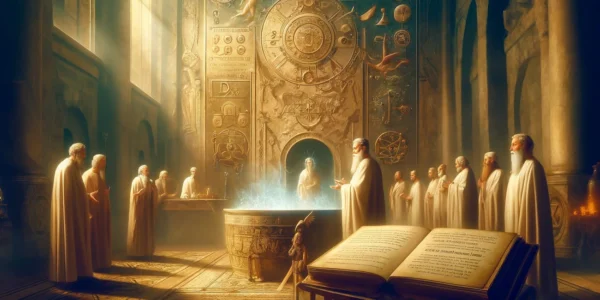
Our English Bibles conceal that four distinct Hebrew terms lie behind the single word “language.”

Here we examine the New Testament concept of freedom through the Greek term eleutheros.